

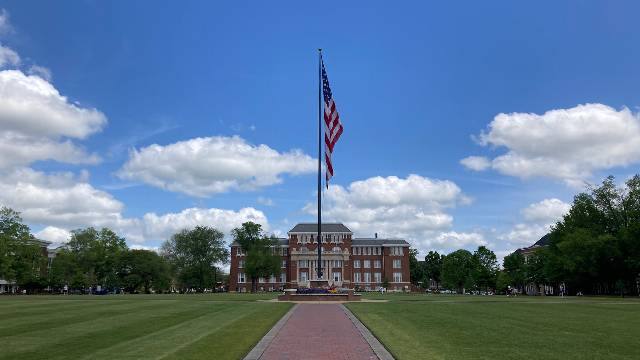
 Agricultural Autonomy Institute joins Harper Adams University's 125th anniversary celebrations
A leading American expert in agricultural autonomy has paid tribute to Harper Adams University as it marks its 125th anniversary.Dr Alex Tho …
Posted 22 October
Professor Peter Kettlewell shares memories from his time as the Research Co-ordinator at Harper Adams with GuildHE.
28 June 2021

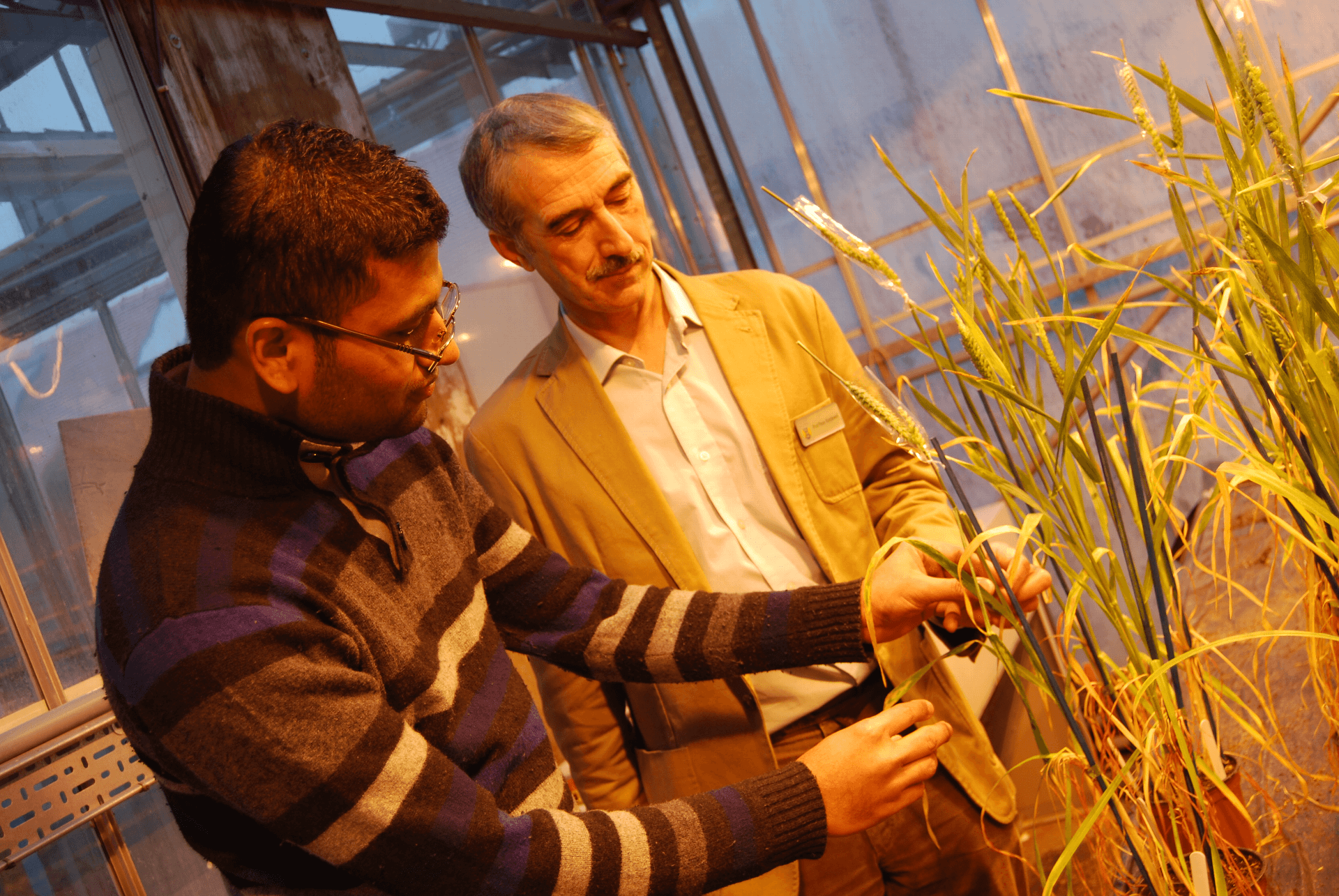
Professor of Crop Physiology Peter Kettlewell has shared reflections from his time as the Research Co-ordinator at Harper Adams with GuildHE - The representative body for smaller and specialist higher education institutions.
In his article. Professor Kettlewell looks back at how he developed research at Harper Adams as it became a university – and how, during this time, external income for research was key.
This meant as Professor Kettlewell notes:
“…a major focus was on working with staff to increase the number and quality of contract and grant applications, as well as further developing support for Principal Investigators. During this time, external research income rose sevenfold.
“The role involved supporting about 100 research-active academic staff at a very wide range of levels, from lecturers with a Bachelor’s degree keen to get funding for their own part-time PhD study, to Professors with extensive funding track-records. I also engaged with research directors, academics and their research support staff in many other universities in the UK and in a wide range of other countries.
“Since we already had a good track-record with industry funding, researchers in businesses were a crucial link. I supported many small and large funding applications, which allowed me to see what makes a researcher successful with grant applications. These ranged from a few hundred pounds travel grant for attending a workshop to a five-year multi-national €18 million project.”
Projects often included those which Governments had identified as crucial for long-term economic development – with Professor Kettlewell citing the integration of robotics, sensors and data to find solutions to widespread problems as an example.
Across all these projects, Professor Kettlewell believes there are a set of skills which can help researchers stand out from the crowd.
He demonstrates how these skills can be crucial in trend-driven and high-profile areas – citing their development as one of two ways to develop key research.
He adds:
“The main skills are probably those involved in leadership in any sphere, and include:
- Articulating a clear vision. This vision has to use simple jargon-free English so that a wide range of disciplinary backgrounds can understand it. It has to inspire the desired collaborators to join the consortium and the grant reviewers to believe it worthy of investigation.
- Formulating a pragmatic workplan. This must convince reviewers that it is the best way to achieve the vision for the resources requested.
- Building long-term relationships. Good social skills and emotional intelligence are the key to bringing on-board the best potential collaborators and to networking with influential funders and policymakers.
- Listening to others, assessing their views, and incorporating the best suggestions into the vision and plan
- Persisting – treating failure as a learning experience, not a demotivator, to help improve the project ideas and to plan for the next grant application.”
The other way Professor Kettlewell believes researchers can develop their research is by working in a small, niche area – but one in which they believe success will pay dividends.
He adds:
“The important skill is then finding a funder who can be persuaded by the proposal to share this belief.”
You can read the full piece on the Guild HE website here.
Related Posts
Agricultural Autonomy Institute joins Harper Adams University's 125th anniversary celebrations
A leading American expert in agricultural autonomy has paid tribute to Harper Adams University as it marks its 125th anniversary.Dr Alex Tho …
Posted 22 October
 Sky's the limit: Helen joins MP's fundraising parachute jump
A charity skydive by a Harper Adams University Business Development Consultant has helped raise more than £16,000 for a new cancer cen …
Posted 21 October
 From dairy farm - to farm vet
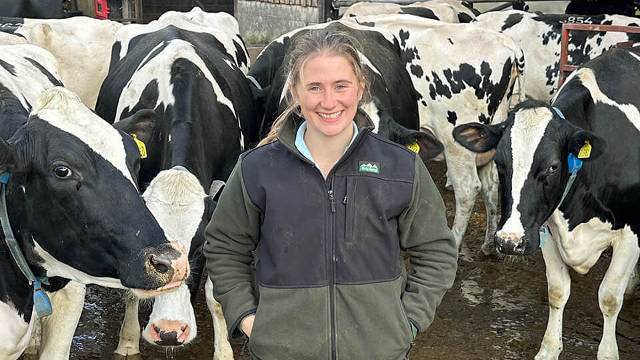
Growing up on a dairy farm played a huge part in shaping Harriet Brimacombe’s ambition to become a vet. Now, as she prepares to …
Posted 20 October
 Listen: Archers anniversary marked with future of farming discussion on BBC radio
With BBC Radio Four marking the 75th anniversary of the Archers this year, Farming Today has taken the opportunity to look forwards this wee …
Posted 16 October